2 hr 30 min
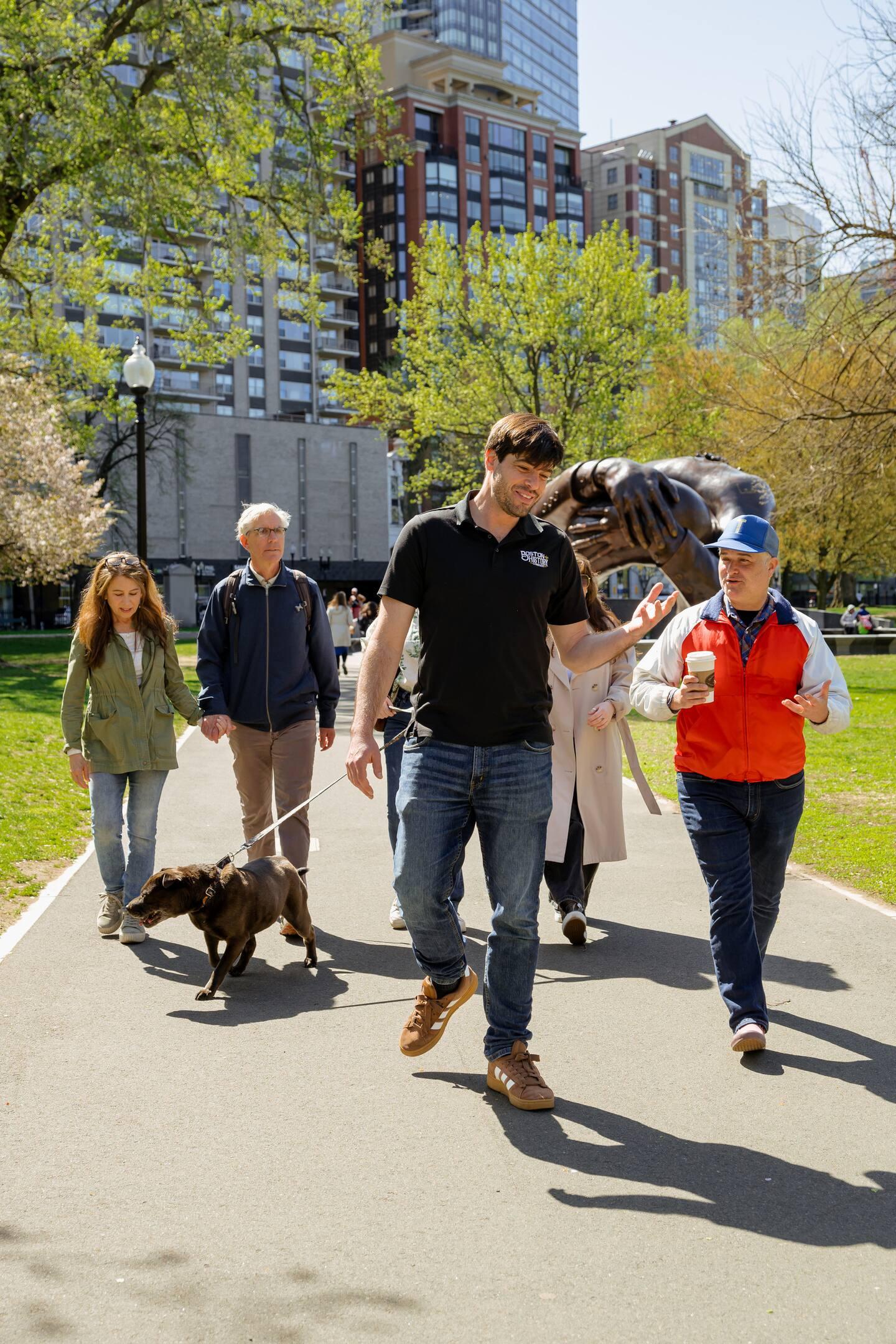
Beacon Hill Underground Railroad Walking Tour
Explore the hidden history of Boston's abolitionist movement through historic streets and homes
Reserve
Trace abolition's footsteps through Beacon Hill, where fugitive narratives echo still.
Hand-picked by our editors — the 3 essential experiences from 12 reviewed.
Verified partners for Boston Underground Railroad tours, free cancellation where available, and instant confirmation on every booking.
2 hr 30 min
Explore the hidden history of Boston's abolitionist movement through historic streets and homes
Reserve
2 hr 30 min
Explore Boston's 16 iconic Revolutionary War landmarks with expert storytelling and historical insights
Reserve
1 hr
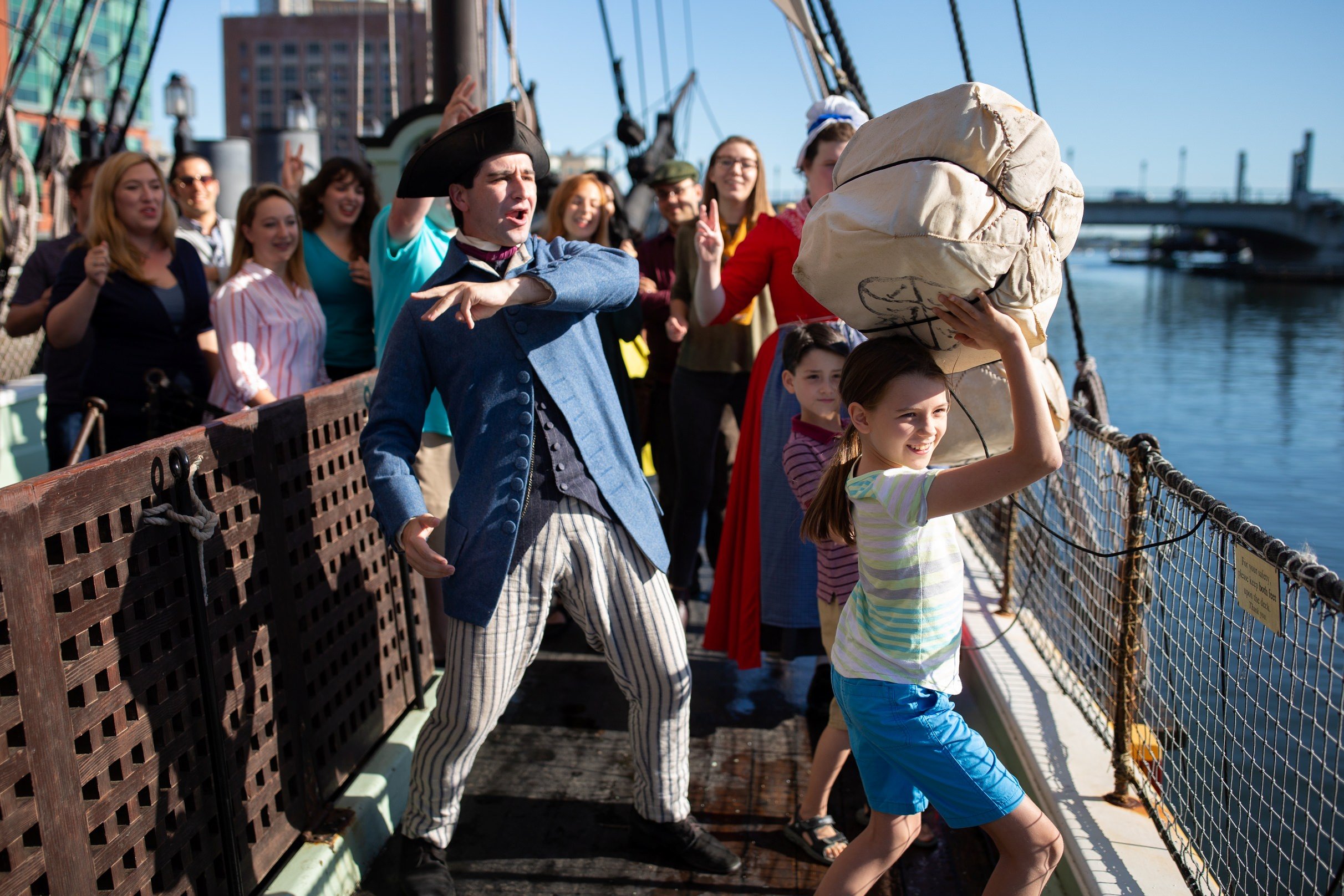
Relive the historic 1773 protest through costumed guides, replica vessels, and immersive exhibits
ReservePrices from verified partners. Availability updates in real time at checkout. Free cancellation policies apply where shown.
Every Boston Underground Railroad tour side-by-side — duration, what's included, how you redeem.
| Experience | Duration | Rating | Skip-the-line | Guide | Small group | Free cancel. | Price | |
|---|---|---|---|---|---|---|---|---|
|
Guided Experience Most popular
Beacon Hill Underground Railroad Walking Tour
|
2 hr 30 min | ★ 4.9 | ✓ | ✓ | ✓ | ✓ | €31 | Book → |
|
Guided Experience
Freedom Trail Revolutionary Walking Tour
|
2 hr 30 min | ★ 4.8 | ✓ | ✓ | ✓ | ✓ | €27 | Book → |
|
Standard Entry
Interactive Boston Tea Party Ships & Museum Experience
|
1 hr | ★ 4.8 | — | ✓ | — | ✓ | €32 | Book → |
All prices from verified partners. Availability and exact terms confirmed at checkout.
Paid guided tours offer deeper historical context and expert storytelling, while the Black Heritage Trail self-guided Boston underground railroad tour provides unmatched schedule freedom for independent explorers.
| Feature | Top pick Guided Tour | Self-Guided Trail |
|---|---|---|
Structure and Narrative |
Curated chronological storytelling | Follows numbered historic markers |
Cost |
Price varies per provider | 0 USD |
Flexibility |
Fixed departure times | Open access 24/7 |
Access to Experts |
Live Q&A with guides | None available |
Group Dynamics |
Social group experience | Private or solo pace |
Preparation Required |
Booking boston underground railroad tour tickets | Reviewing Boston landmarks maps |
| See tickets → |
Verdict: Choose the guided Boston underground railroad tour tour for professional historical insight, or opt for the self-guided route if you prioritize budget-friendly flexibility during your boston underground railroad tour tours.
Choose your ticket, select your date, and reserve in under two minutes. Secure checkout handled by our verified partner.
Instant confirmation by email, with a mobile voucher you can save offline. No printing, no queuing at a collection desk.
Arrive at the entrance, show your voucher on your phone, and walk in. Most tickets include priority or skip-the-line access.
Practical details for Boston Underground Railroad tickets straight from our verified partners — hours, access, rules, and how to get there.
Beacon Street, Boston, MA 02108
Start point for all tours.
Open in Google MapsTake the Green or Red Line to Park Street station and walk up Beacon Street.
Wear comfortable walking shoes suitable for Beacon Hill's historic brick sidewalks and steep inclines.
No large bags are permitted inside the partner museum buildings. Visitors should carry only essential items.
Photography is permitted outdoors along the boston underground railroad tour; check individual museum site policies for indoor rules.
The trail features historic, uneven terrain and narrow sidewalks. Visitors are advised to proceed with caution.
Use of mobile phones is encouraged for accessing the NPS app and digital maps during your boston underground railroad tour.
The trail is family-friendly, though some sections are better suited for older children due to the walking distance.
No food or drink is available on the trail path itself. Plan to dine in the surrounding Beacon Hill district.
Pets are permitted on the outdoor trail but must be leashed at all times. Pets are not allowed inside partner museums.
The boston underground railroad tour is an outdoor experience with 14 historical markers. Respect private property as most homes are residences.
Beacon Street, Boston, MA 02108
Start point for all tours.
Get directionsBest time to go, insider tips, nearby landmarks, and the cancellation fine print — flip through to skim what matters to you.
How crowds, weather, and events shift across the year.
September weather is ideal for walking the steep hills of Beacon Hill without extreme heat.
Small details that turn a good visit into a great one.
Arrive between 09:00–16:00 to maximize daylight for your boston underground railroad tour.
Non-bookable sights within a short walk — free to visit, easy to pair.
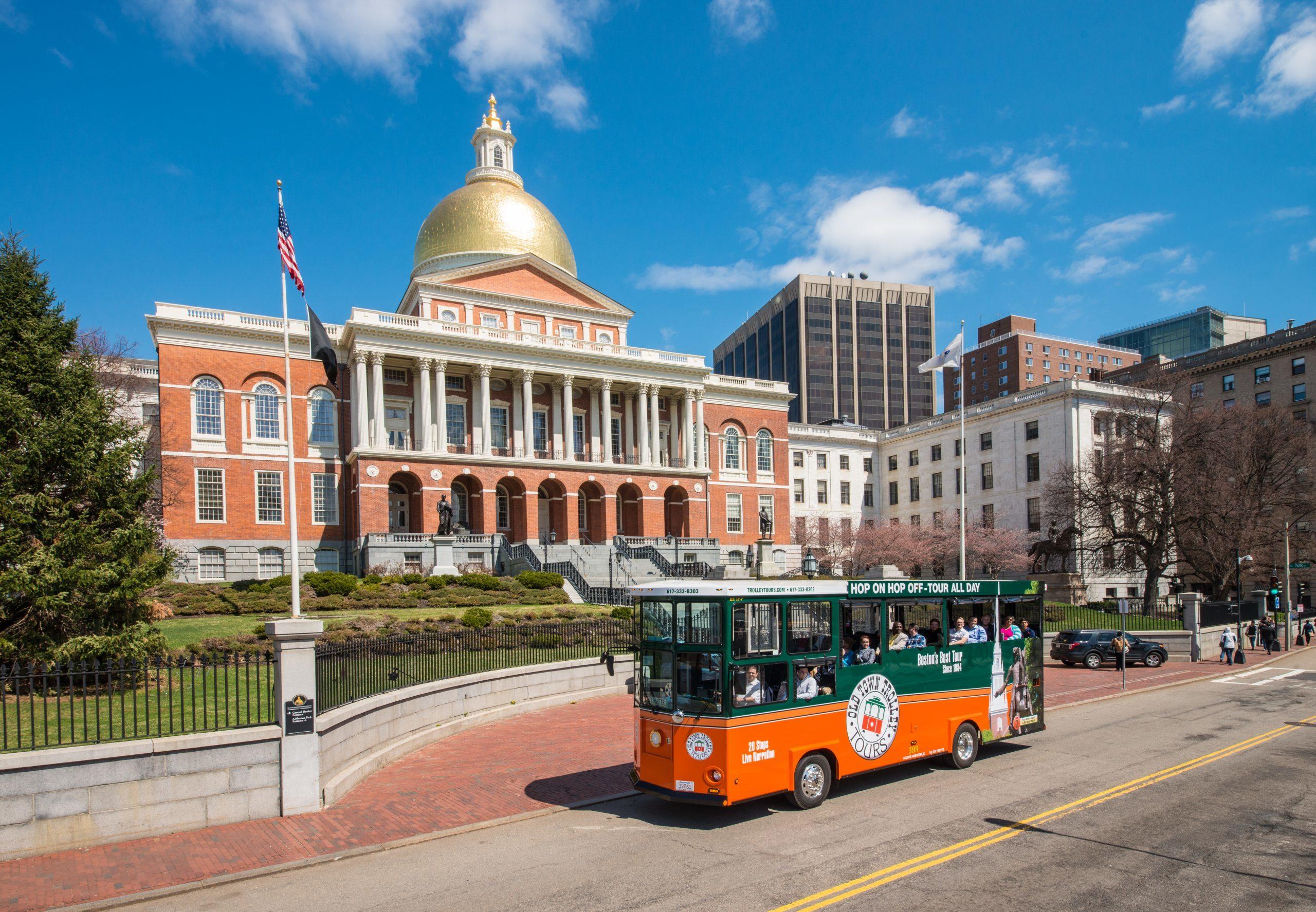
The gold-domed seat of government located at the top of Beacon Hill.
Flexible, no hidden fees.
Self-guided tours of the boston underground railroad tour do not require reservations or cancellations. Entrance fee is 0 USD.
Hand-picked options within walking distance — pick a district for vibe, or a specific hotel for convenience.
Historic area with cobblestone streets and luxury brownstone hotels.
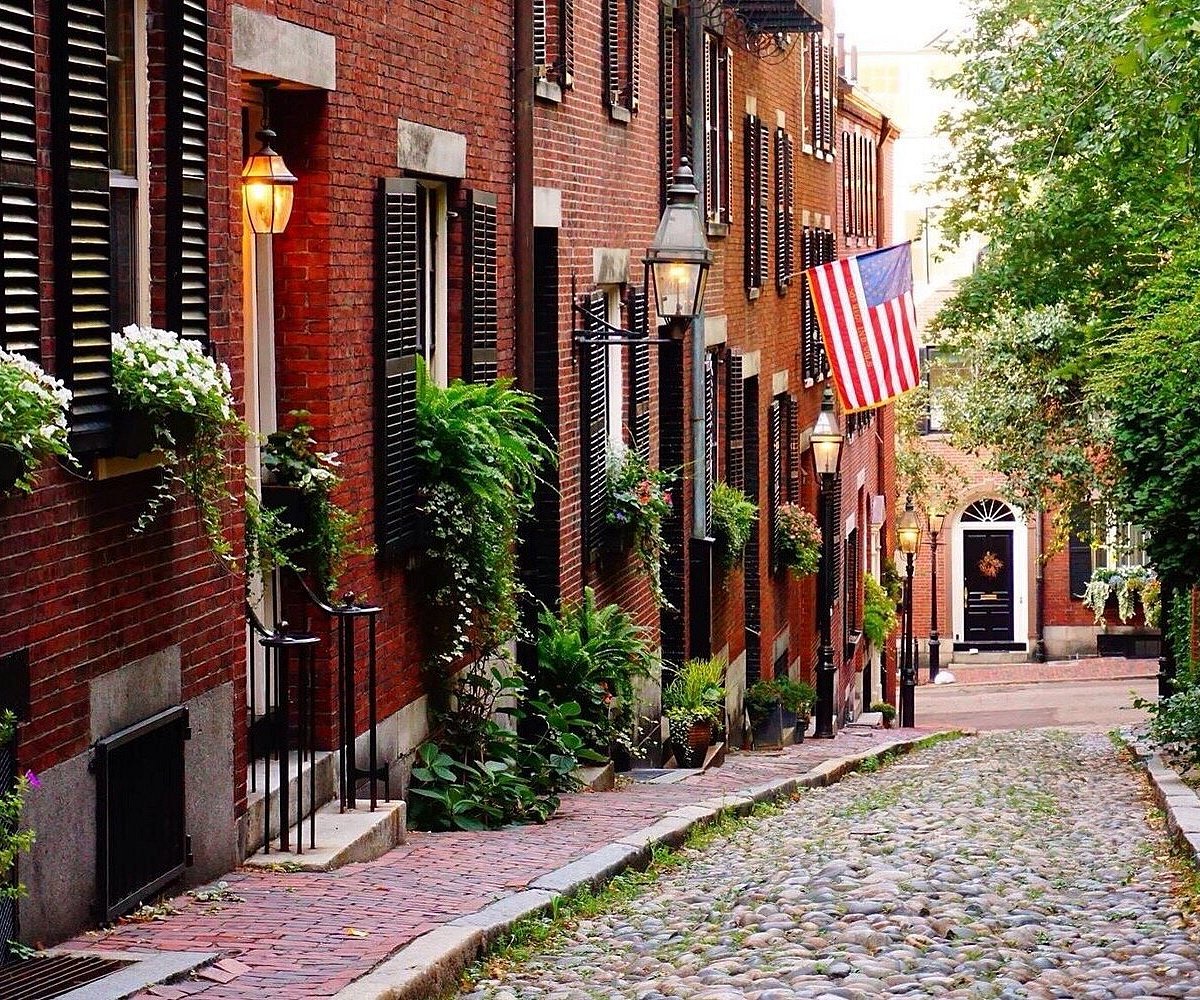
Between 1800 and 1865, Boston's north slope of Beacon Hill sheltered the largest free Black community in antebellum America. Fourteen historic structures along the 1.
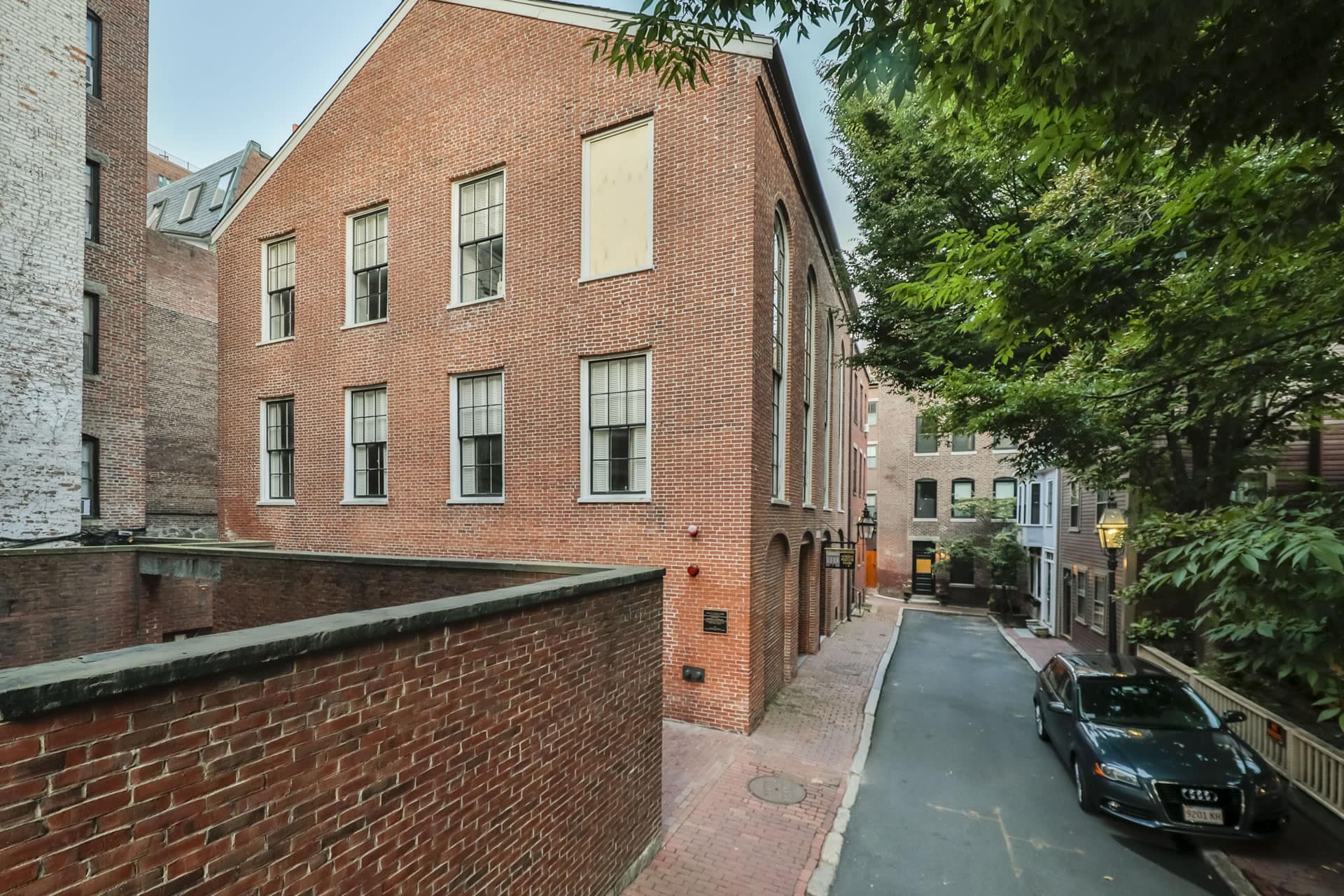
6-mile Black Heritage Trail mark sites where fugitive slaves found sanctuary, where abolitionists printed subversive pamphlets, and where free African Americans built institutions that defied the Fugitive Slave Act. The African Meeting House, erected in 1806 at 8 Smith Court, stands as the oldest Black church edifice in the United States — its basement classrooms taught literacy when Massachusetts law barred integrated education, and its pews hosted William Lloyd Garrison's founding of the New England Anti-Slavery Society in 1832.
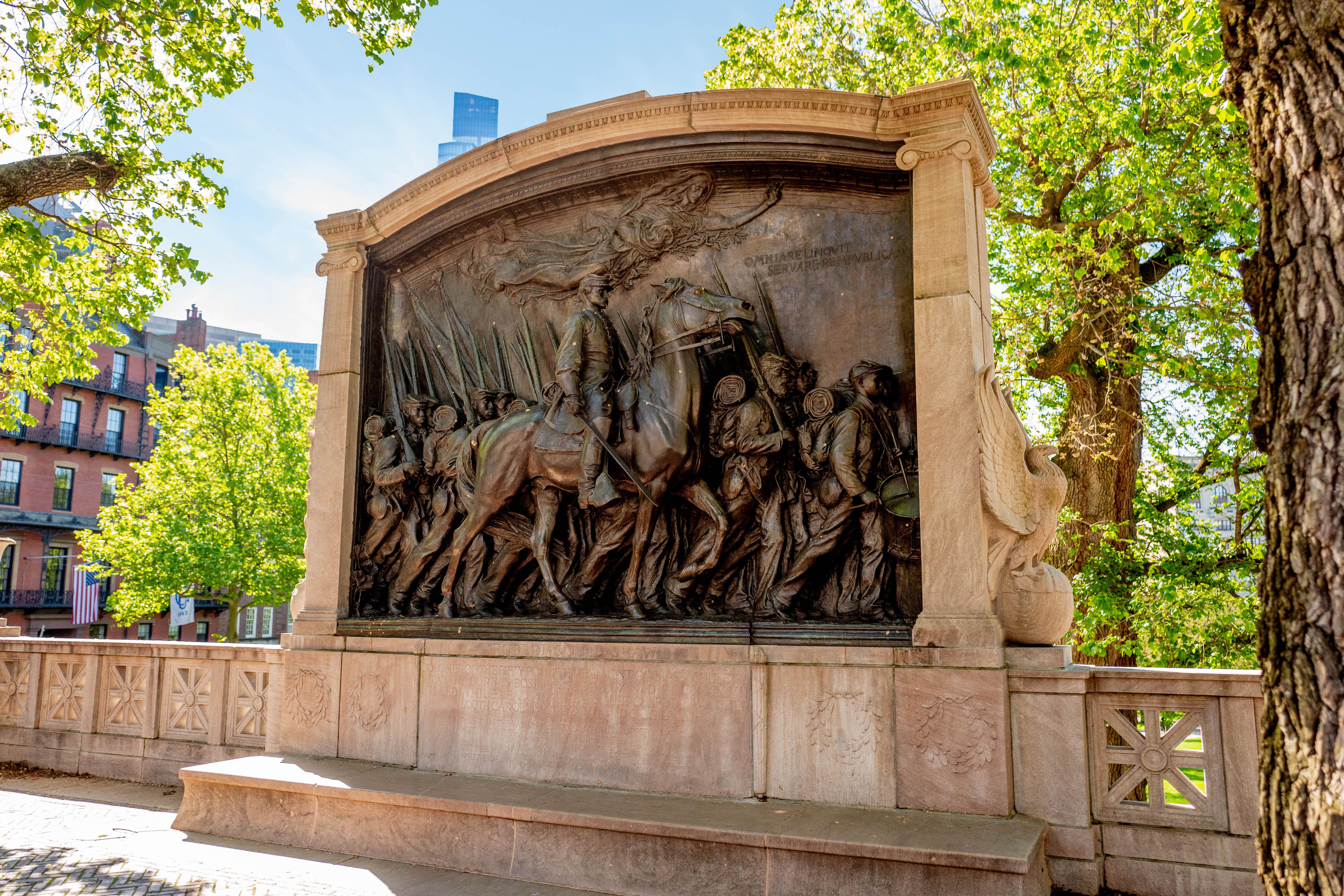
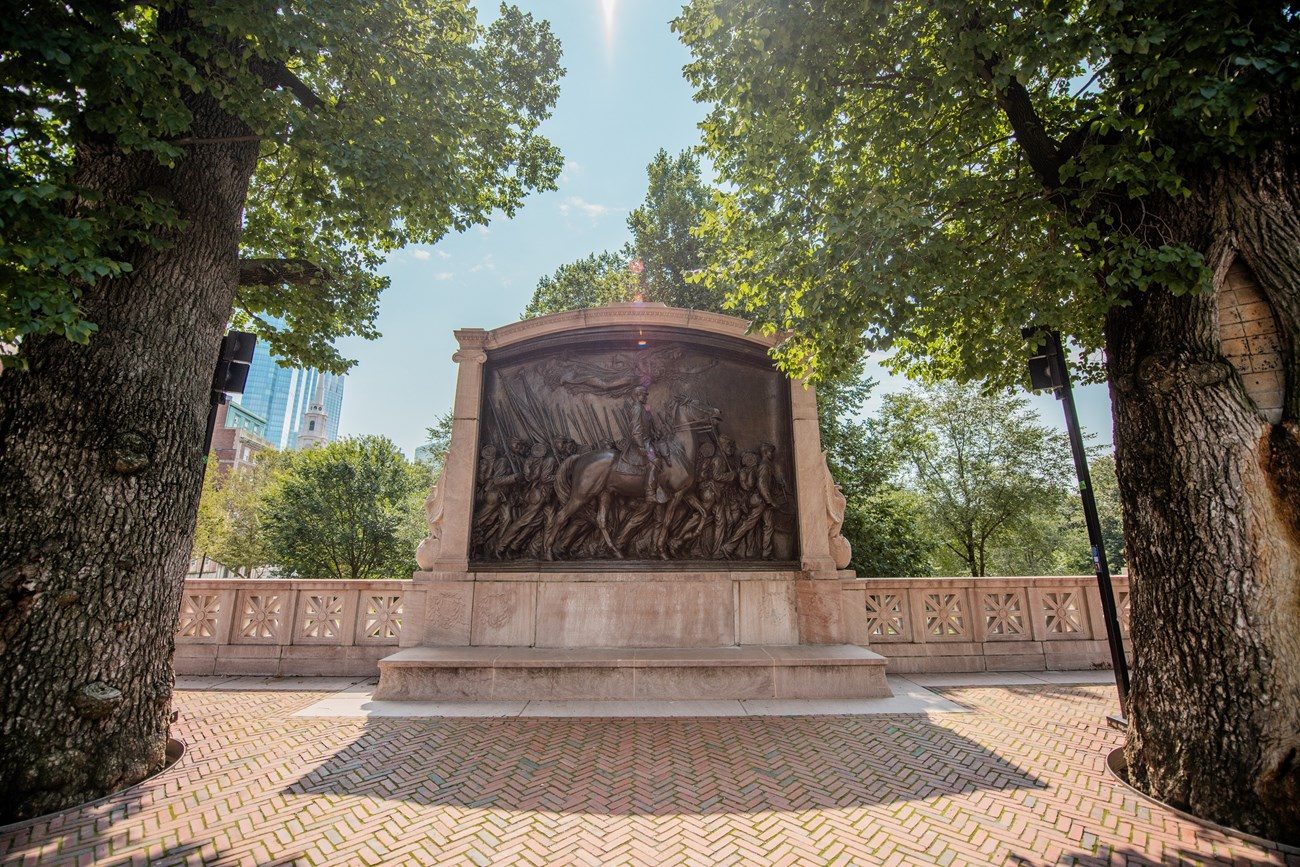
The trail connects Lewis and Harriet Hayden's home at 66 Phillips Street, a documented station where fugitives hid in a false-ceiling attic and where Hayden, himself an escapee from Kentucky, once threatened federal marshals with kegs of gunpowder stored beneath his floorboards. The Robert Gould Shaw Memorial on Beacon Street honors the 54th Massachusetts Infantry, the Union's first Black regiment, whose volunteers trained on Boston Common before marching to South Carolina. Sculptor Augustus Saint-Gaudens spent fourteen years completing the bronze bas-relief, which depicts Shaw and sixty infantrymen in profile — a civic acknowledgment that freedom required blood, not just moral argument.
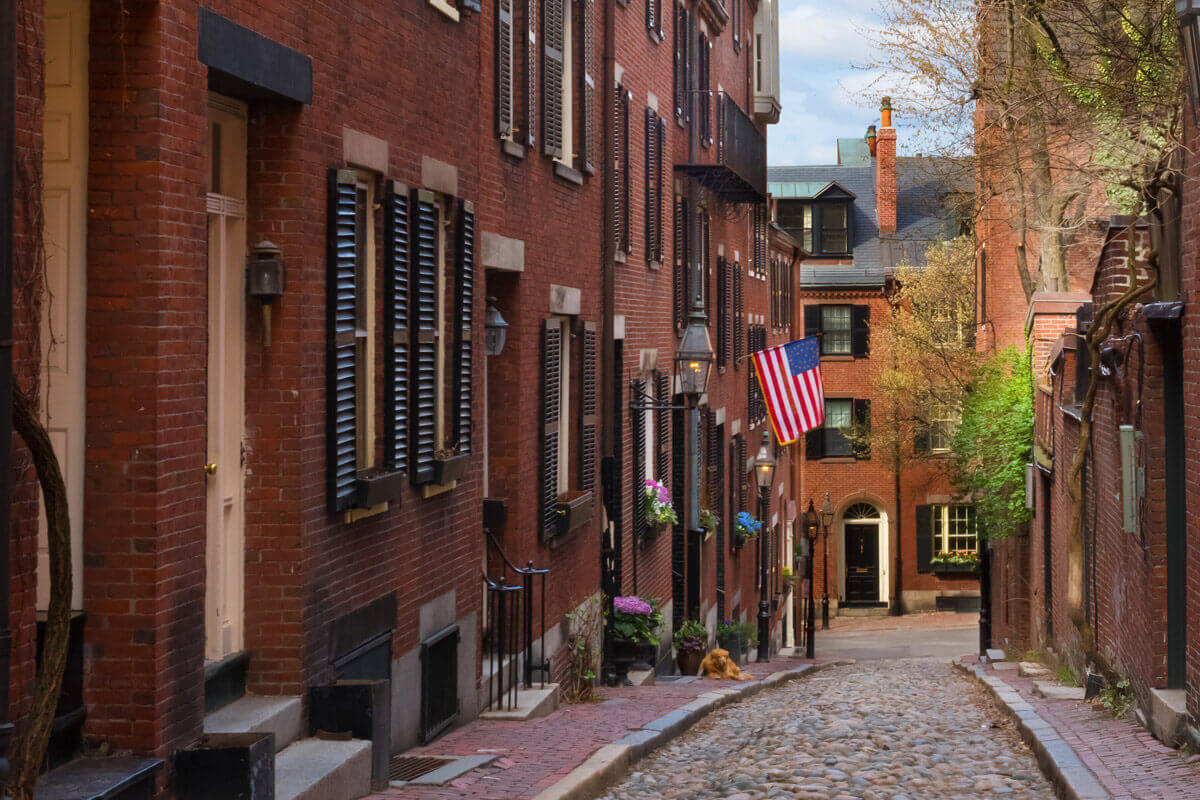
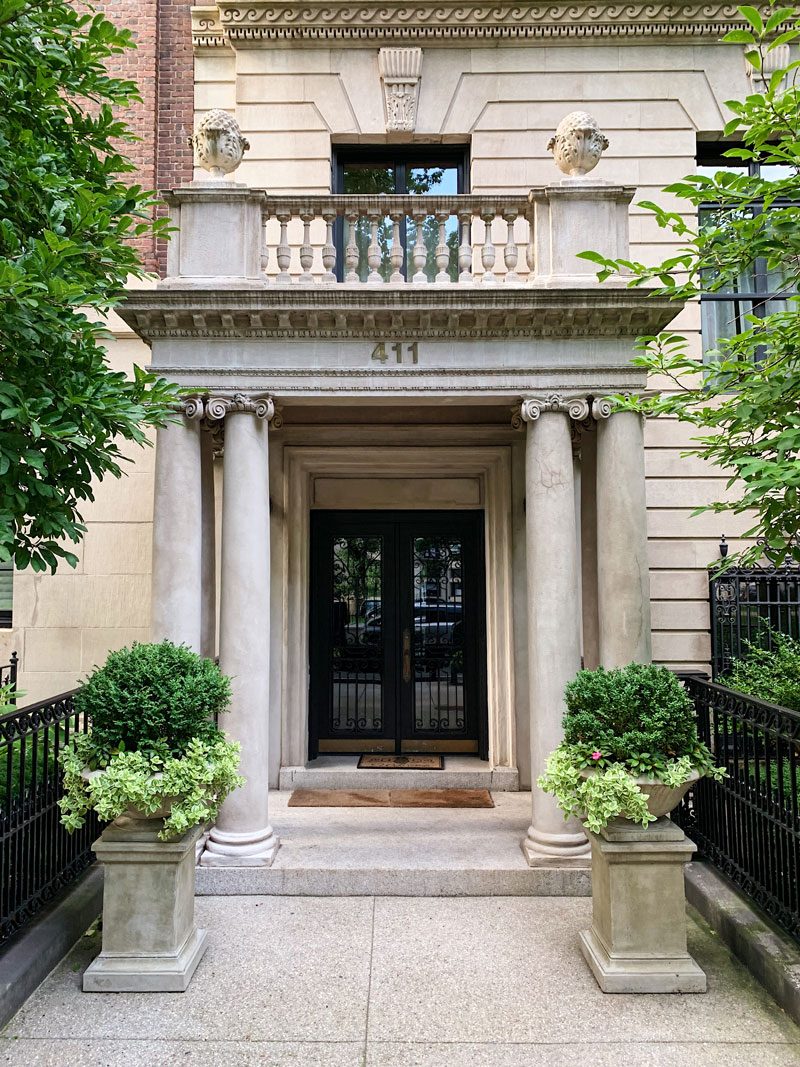
Today, the National Park Service maintains interpretive markers along the self-guided route, which winds past brick rowhouses on Pinckney Street where Underground Railroad conductors lived under the protection of white abolitionist neighbors. The trail passes the Abiel Smith School, established in 1835 as Boston's first public grammar school for Black children, and continues to the Charles Street Meeting House, where Frederick Douglass, Sojourner Truth, and Harriet Tubman addressed overflow crowds. The topography itself mattered — Beacon Hill's steep northern slope placed Black residents physically beneath the State House yet socially beyond the reach of proslavery mobs that periodically terrorized the port below.
The underground railroad tour Boston ma offers remains unique among American heritage sites because the architecture survived gentrification largely intact. Narrow service alleys behind Myrtle Street still trace the covert paths fugitives used after dark, and the brick facades along Joy Street retain the modest proportions of working-class abolition-era housing. The trail does not recreate history — it occupies the actual ground where resistance occurred, where a free Black physician named John Rock practiced law, and where Lewis Hayden sheltered thirteen fugitives in a single winter. The stones remain the same stones.

"The topography itself mattered — Beacon Hill's steep northern slope placed Black residents physically beneath the State House yet socially beyond the reach of proslavery mobs."
A step-by-step walkthrough of Boston Underground Railroad tickets — what you'll see, how long each stage takes, and the details that matter.
You begin at the Robert Gould Shaw Memorial, where morning light catches the bronze relief of sixty infantrymen frozen mid-march. Cross Beacon Street into the brick corridors of the north slope, where Pinckney Street narrows between rowhouses once owned by Black barbers, sailmakers, and teachers.
At 66 Phillips Street, you pause before the three-story residence where Lewis Hayden stored gunpowder beneath his parlor — federal marshals never tested his resolve. The plaques are discreet, mounted at shoulder height on granite lintels.
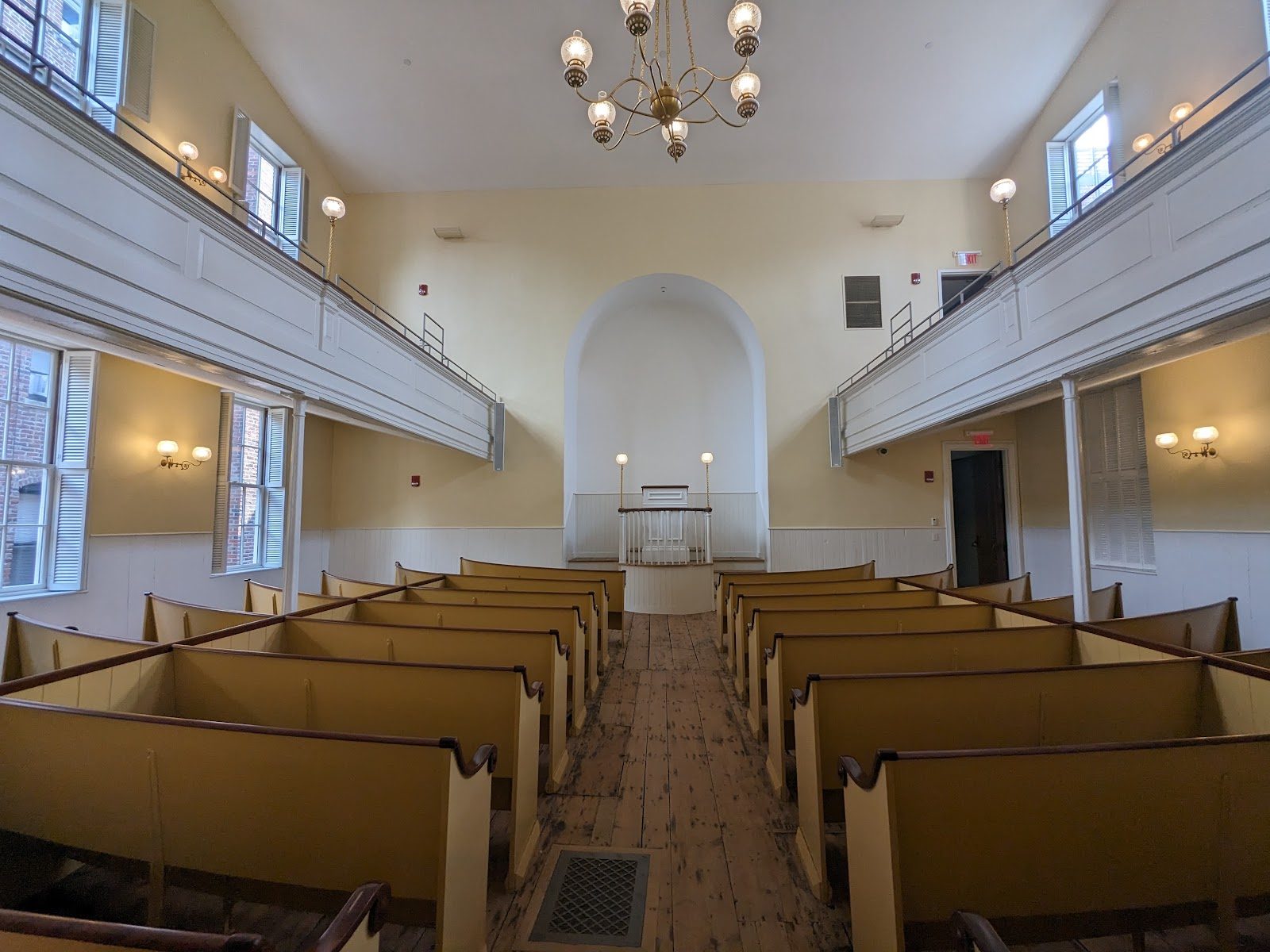
Continue downhill to Smith Court, where the African Meeting House rises behind a modest iron gate. Step inside the white-walled sanctuary, lit by tall windows that once illuminated Sunday abolitionist meetings and weekday grammar lessons. The pews are original pine, worn smooth by two centuries of congregants. Walk north to the Abiel Smith School, its single classroom preserved with slate boards and wooden benches scaled for children who studied here when state law segregated education. Exit onto Joy Street, following the service alleys that still connect rear courtyards — these narrow passages offered concealment after dark, when conductors moved fugitives between safe houses. The trail loops back uphill past the Charles Street Meeting House, ending where Myrtle Street meets the Common. You have walked 1.6 miles through a neighborhood where abolition was not an idea but a daily practice.
The outdoor trail is accessible 00:00–23:59 daily.
Yes, there is 0 USD entrance fee for self-guided tours of the Black Heritage Trail.
The tour begins at the Robert Gould Shaw Memorial, located at Beacon Street, Boston, MA 02108.
No, there are no boston underground railroad tour tickets needed for the outdoor self-guided walk.
The trail has varied accessibility with narrow sidewalks; please exercise caution on the steep Beacon Hill slopes.
Yes, photography is welcome outdoors on the boston underground railroad tour.
The walk usually takes about 90 minutes to complete depending on your pace.
Bring comfortable shoes, water, and download the NPS app to guide your boston underground railroad tour.