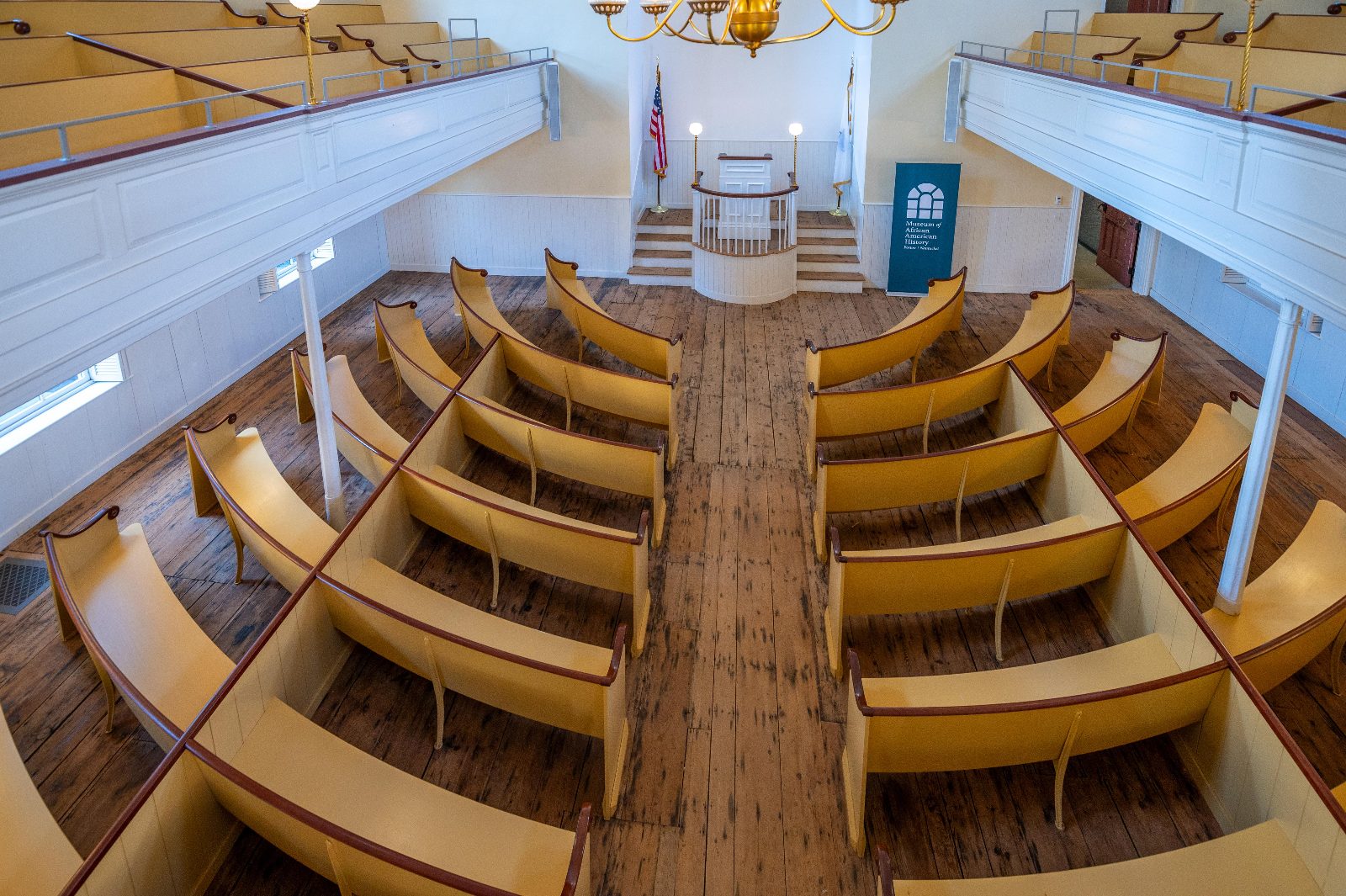
African Meeting House
The oldest extant Black church building in the United States, this site served as a hub for abolitionist meetings and public lectures.
Look for the original wooden pews and high pulpit.

Beacon Hill's Black Heritage Trail connects fourteen sites that illuminate Boston's role in the abolitionist movement and the lives of the city's free Black community before the Civil War. The self-guided trail begins at the Robert Gould Shaw Memorial on Beacon Street and winds through narrow brick sidewalks where formerly enslaved people built homes, churches, and a resistance network. This guide details the historical context, what each site preserves, and how to navigate the route.
Quick answer
The underground railroad history tour boston follows the 1.6-mile Black Heritage Trail, a free self-guided walking route open daily that links fourteen authenticated sites on Beacon Hill's north slope. The trail operates year-round with no admission fee, starting at 14 Beacon Street at the Robert Gould Shaw Memorial. Morning visits between 10:00 and 14:00 offer the best light and fewer crowds on steep inclines, though the sites remain accessible around the clock for exterior viewing.
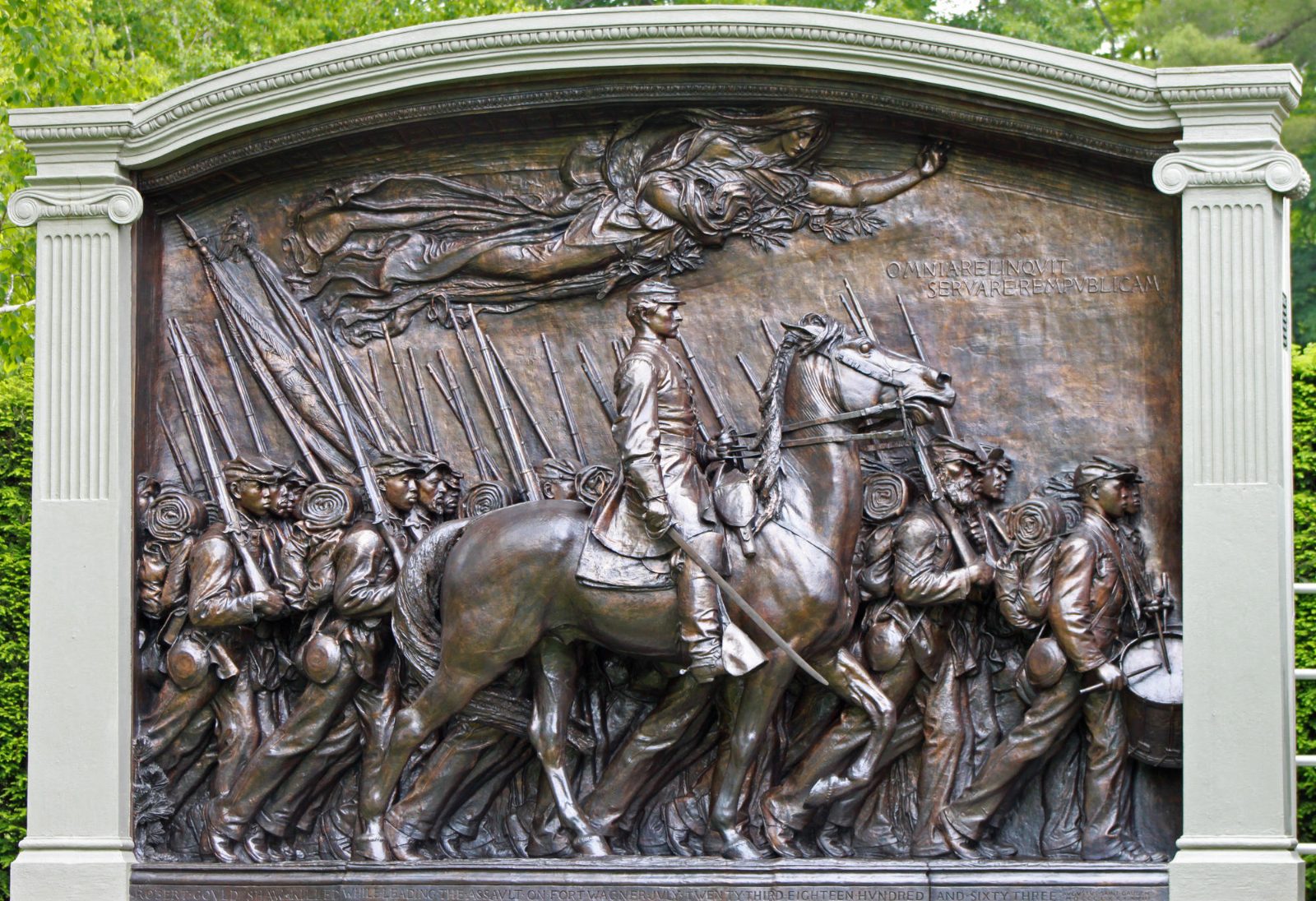
Between 1800 and 1865, Boston's Beacon Hill became the largest free Black community in the United States, and the neighborhood's dense network of homes, meeting halls, and safe houses formed a critical node in the antislavery resistance. The streets where William Lloyd Garrison printed The Liberator and Frederick Douglass gave impassioned speeches now carry plaques marking where history bent toward justice. The Black Heritage Trail weaves through this landscape, connecting the African Meeting House—the oldest surviving Black church building in the nation—with the homes of activists like Lewis and Harriet Hayden, whose house at 66 Phillips Street sheltered fugitives on their way to Canada. The route passes the Abiel Smith School, where segregated education sparked the legal battle that preceded Brown v. Board of Education by a century. Each site anchors a strand of the larger story: how Boston's free Black residents organized mutual aid societies, built institutions under systemic exclusion, and operated covert networks that moved hundreds of freedom seekers north. The trail's compact geography—most sites cluster within three blocks—belies the scale of what happened here. Narrow brick sidewalks climb sharply between townhouses that once hid runaways in root cellars and attics. The Robert Gould Shaw Memorial, cast in bronze relief, depicts the 54th Massachusetts Infantry, the first Black regiment recruited in the North, marching past the State House in 1863. That regiment drew volunteers directly from Beacon Hill families who had fought slavery through courts, pulpits, and the underground railroad history tour boston preserves today. Navigating the steep grades requires moderate fitness, and the trail's interpretive markers assume daylight reading. The National Park Service maintains the official route map and periodically offers ranger-led programs, though the self-guided experience remains the primary access model. Visitors seeking depth often pair the outdoor trail with interior tours of the Museum of African American History, which occupies the African Meeting House and Abiel Smith School, though those spaces operate on separate schedules and require advance planning.
“Boston's Beacon Hill became the largest free Black community in the United States between 1800 and 1865, and the neighborhood's streets formed a critical node in the antislavery resistance.”
Boston's Beacon Hill became a center of abolitionist resistance decades before the Civil War. By 1806, free Black residents had established the African Meeting House at 8 Smith Court, the oldest standing Black church edifice in the United States. The building served as a spiritual anchor and a strategic node for those aiding freedom seekers traveling north from bondage. William Lloyd Garrison founded the New England Anti-Slavery Society within its walls in 1832, marking the neighborhood as a battleground for emancipation. Residents of the north slope—predominantly Black families living in modest brick townhouses—operated safe houses, provided clothes and food, and coordinated with conductors moving people toward Canada. Lewis Hayden, a formerly enslaved man who escaped Kentucky in 1844, settled at 66 Phillips Street and converted his home into a station. He kept two kegs of gunpowder in his basement, vowing to ignite them if slave catchers entered. His defiance was not rhetorical; in 1850, after the Fugitive Slave Act empowered federal marshals to seize runaways, Hayden sheltered Ellen and William Craft, a married couple who had fled Georgia. Federal agents surrounded the house but withdrew rather than risk an explosion. The network extended beyond Hayden's threshold. The Abiel Smith School, erected in 1835 at the corner of Joy and Smith Court, educated Black children when public schools remained segregated. Families on Myrtle, Revere, and Anderson Streets maintained quiet cooperation, passing intelligence and resources through church gatherings and mutual aid societies. By 1860, Boston's Black community had grown to nearly two thousand, many residing on Beacon Hill's north slope. After the war, the neighborhood's role receded from public memory until the Black Heritage Trail was established in 1963. Today, visitors walk a 1.6-mile route connecting fourteen pre-Civil War structures. The African Meeting House, restored and operated by the Museum of African American History, anchors the trail. The Robert Gould Shaw Memorial at 14 Beacon Street honors the 54th Massachusetts Infantry, the first Black regiment recruited in the North. These sites preserve the underground railroad history tour Boston narrative in brick and stone, evidence of a community that turned a residential enclave into a theater of liberation.
African Meeting House completed at 8 Smith Court, becoming the spiritual and organizational center for Boston's Black community.
William Lloyd Garrison founds the New England Anti-Slavery Society inside the African Meeting House, galvanizing abolitionist activism.
Abiel Smith School opens on Joy Street, providing the first public education for Black children in a city with segregated classrooms.
Lewis Hayden, an escaped freedom seeker, arrives in Boston and later converts his Phillips Street home into a station with gunpowder-rigged defenses.
Ellen and William Craft take refuge in Hayden's house after the Fugitive Slave Act passes; federal agents withdraw without attempting a raid.
The 54th Massachusetts Infantry, recruited largely from Beacon Hill families, departs for South Carolina and fights at Fort Wagner.
The Black Heritage Trail is formally established, linking fourteen historic sites on Beacon Hill's north slope into a walking route.
The Black Heritage Trail in Beacon Hill encompasses several sites central to Boston's abolitionist activity and the Underground Railroad. These landmarks provide a physical connection to the individuals and organizations that fought for freedom.
The oldest extant Black church building in the United States, this site served as a hub for abolitionist meetings and public lectures.
Look for the original wooden pews and high pulpit.
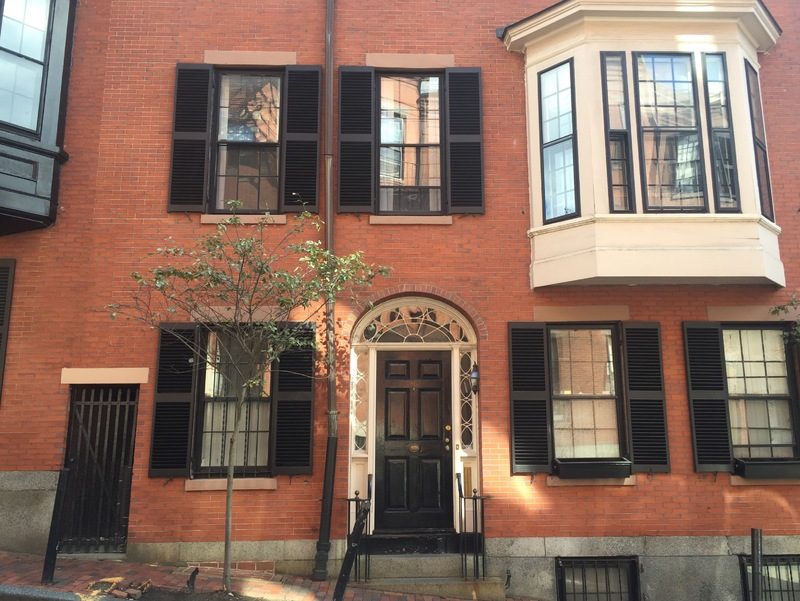
This residence belonged to a prominent abolitionist who assisted freedom seekers and recruited soldiers for the 54th Massachusetts Regiment.
View the exterior facade from the sidewalk opposite.
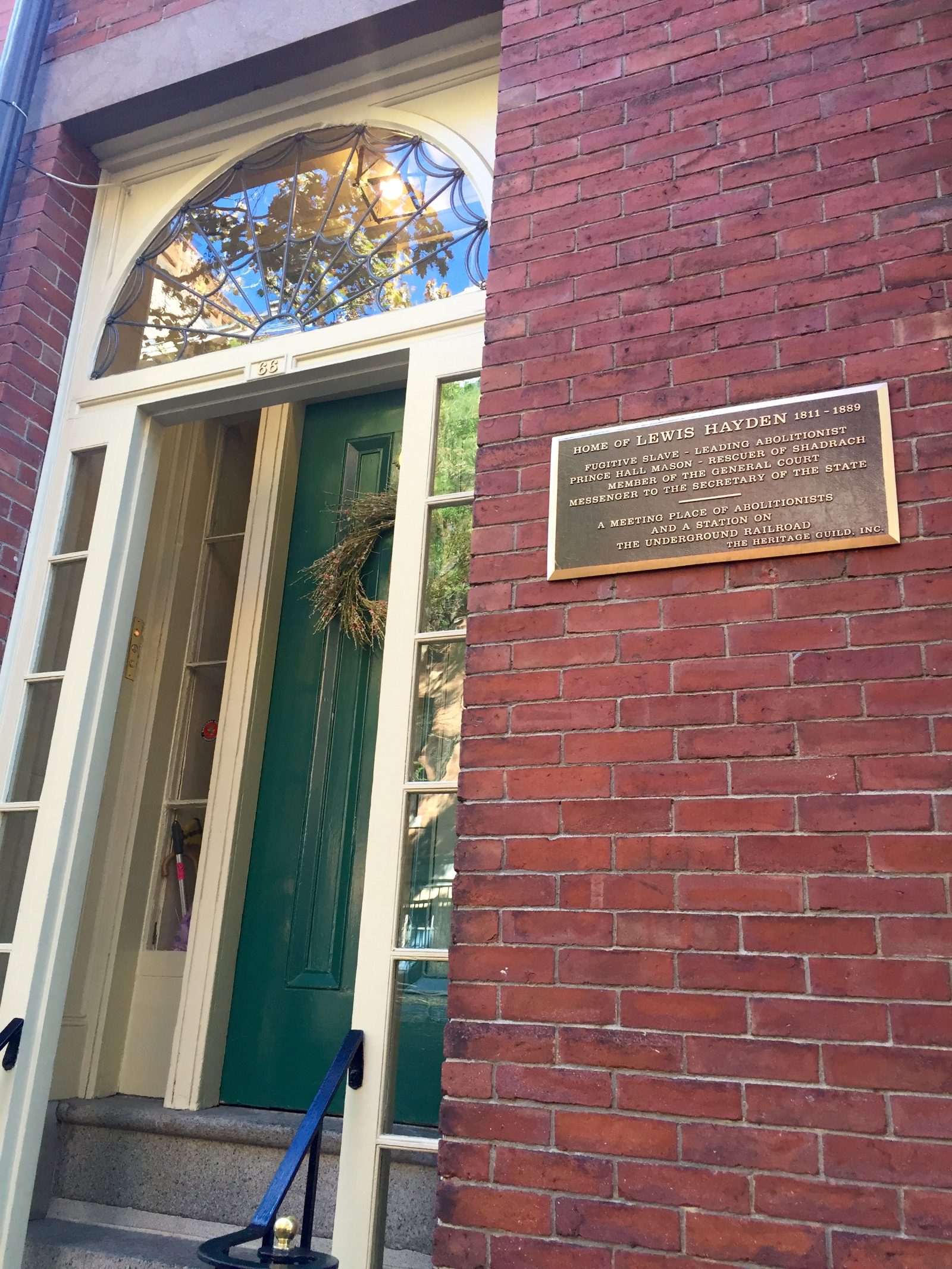
A critical station on the Underground Railroad, the Haydens frequently sheltered individuals escaping enslavement in their own home.
Note the plaques detailing the couple's rescue efforts.
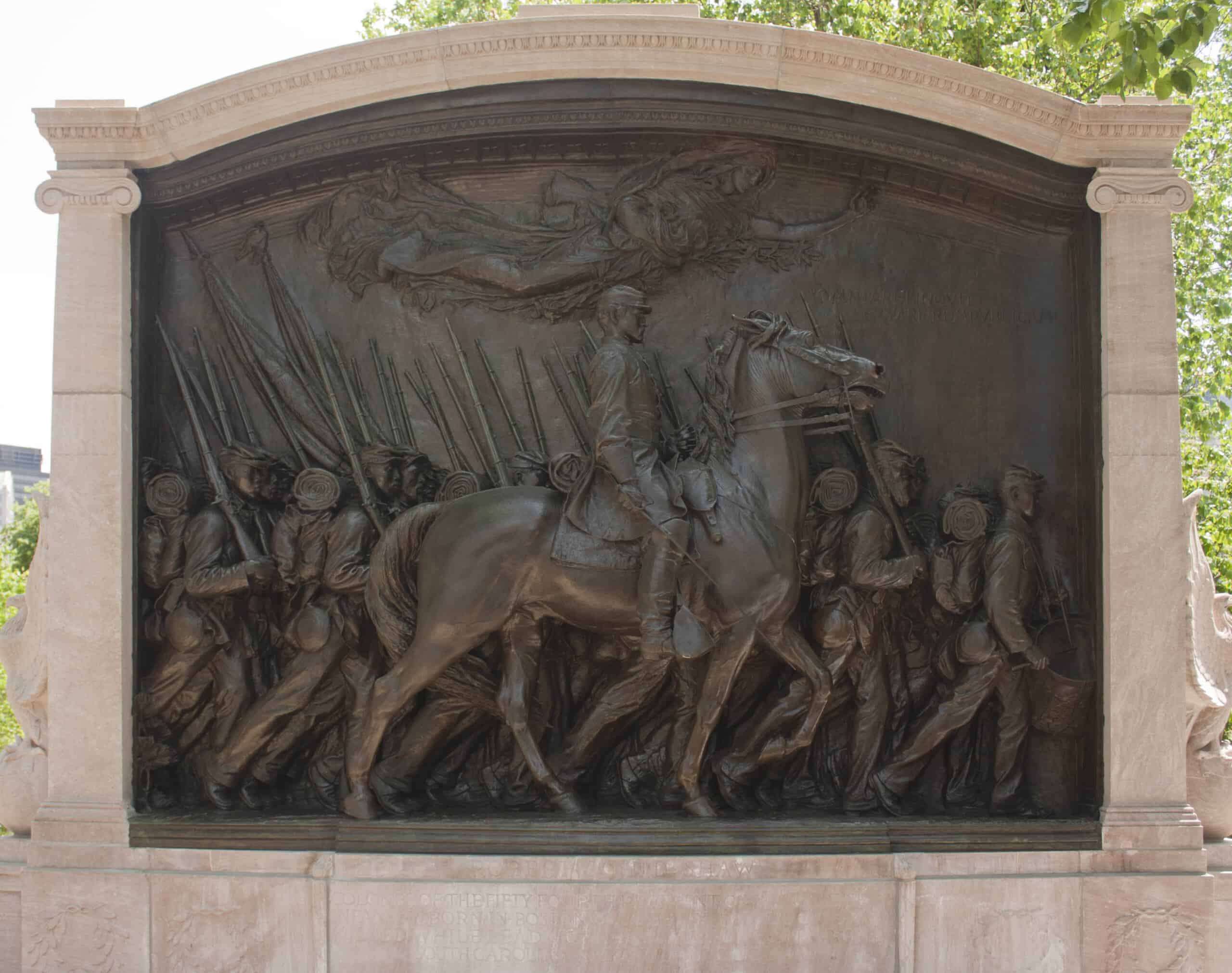
Situated across from the State House, this bronze relief honors the 54th Massachusetts Regiment, the first Black regiment raised in the North.
View from the street level to see the detailed soldier faces.
The Black Heritage Trail and the sites associated with the Underground Railroad history in Beacon Hill are accessible to the public at all times. As an outdoor, self-guided route, the trail remains open throughout the week.
The tour begins at the Robert Gould Shaw Memorial, located at 14 Beacon St, Boston, MA 02108. The most accessible approach is via the MBTA subway system, which serves the Beacon Hill area directly.
Green Line to Park Street Station
Red Line to Park Street Station
Route 43 to Beacon St @ Tremont St
Parking at Boston Common Garage
To avoid crowds and navigate the steep inclines of Beacon Hill in daylight, plan your arrival between 10:00 and 14:00.
Everything you need to know about underground railroad history tour boston
The National Park Service provides a self-guided Black Heritage Trail experience that covers significant sites in Beacon Hill. While there is no formal ticketed underground railroad history tour boston, the trail offers a comprehensive look at the neighborhood's abolitionist past.
Access to the Black Heritage Trail is free for all visitors. You do not need to pay for an underground railroad history tour boston to explore these historic sites independently.
The recommended arrival window is 10:00–14:00 to navigate the steep inclines of Beacon Hill during daylight hours. This timing also helps you avoid peak crowds while exploring landmarks associated with the Boston underground railroad history tour boston.
The trail is family-friendly and serves as an educational resource for all ages. Walking the historic streets provides a tangible connection to abolitionists and 19th-century freedom seekers.
Key landmarks include the Robert Gould Shaw Memorial and the African Meeting House, which serve as essential anchors for your visit. These sites highlight the deep roots of the local abolitionist movement beyond a standard underground railroad history tour boston.
Most visitors spend a few hours exploring the sites at their own pace. Because it is a self-guided walking experience, the duration depends on how much time you spend at each location.